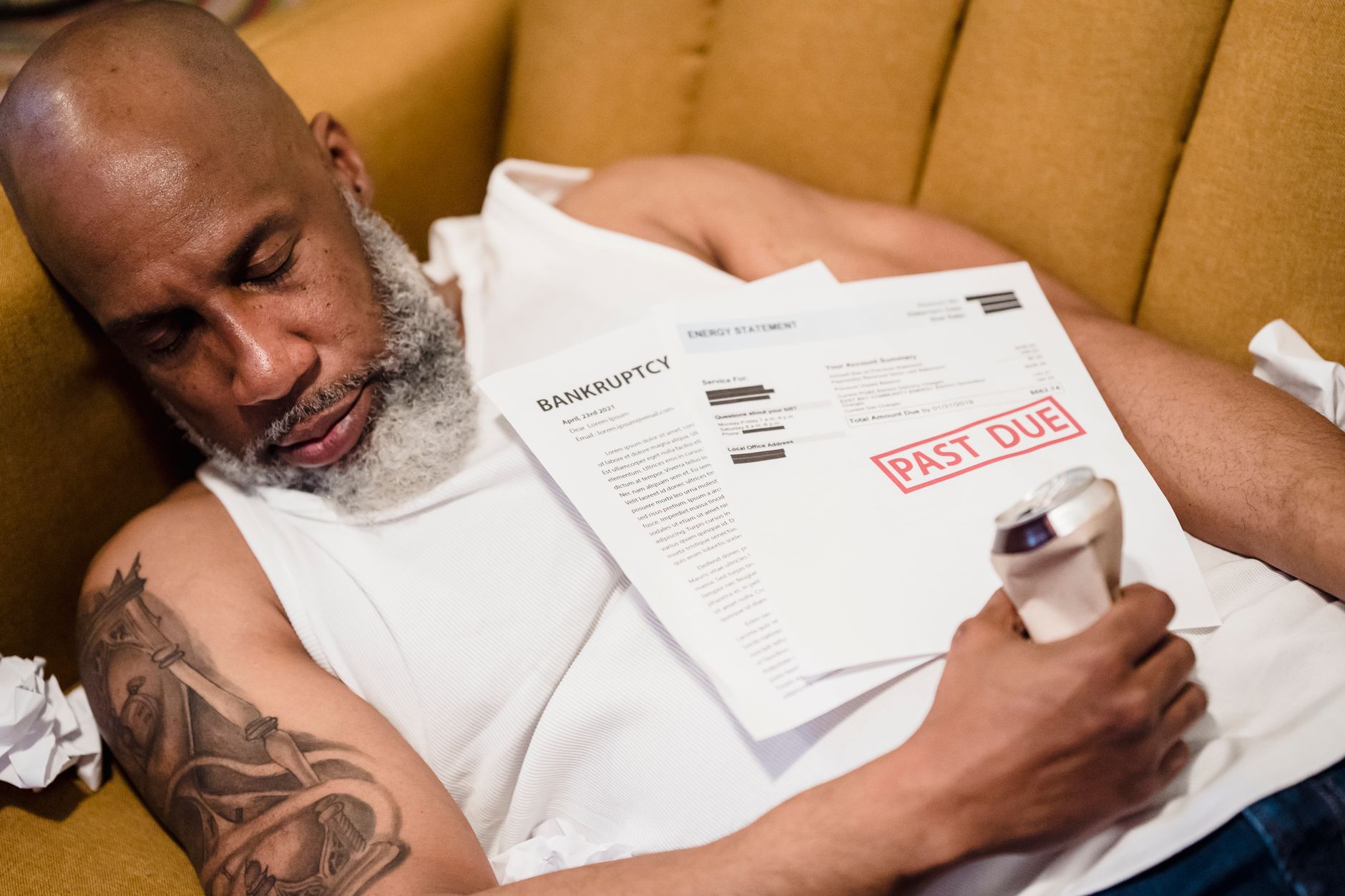
What Bankruptcy Means for Your Finances
Bankruptcy is a legal way to handle debts you can’t pay. Filing lets the court stop collection efforts. This can give you relief from wage garnishments, bank levies, and foreclosure. It’s not a quick fix, but it can stop creditor harassment and give you breathing room.
There are different types of bankruptcy. The most common for individuals are Chapter 7 and Chapter 13. Chapter 7 means selling assets to pay creditors. Chapter 13 sets up a payment plan to pay back debts over time. Chapter 7 usually finishes in three to six months. It’s for those with low income and few assets. Chapter 13 plans last three to five years and let you keep your property while paying in installments.
Bankruptcy affects your credit score and stays on your report for seven to ten years. The score drop can be 100 points or more at first. But many people rebuild their finances after a few years. They often qualify for new credit, buy homes, or save for retirement once debts are cleared and habits improve.
When Bankruptcy Makes Sense
Bankruptcy isn’t right for everyone. It’s usually an option when debts are too big to handle and other fixes like debt consolidation don’t work. If you owe on credit cards, medical bills, or personal loans and can’t keep up, bankruptcy might be your only way out. For example, if unsecured debts are over $50,000 and payments take more than half your income, bankruptcy may help.
Think about bankruptcy if you face wage garnishments, lawsuits, foreclosure, repossession, or constant calls from collectors. It also helps if your payments are more than your income and you can’t catch up. But if your debts are mostly secured loans like a mortgage or car loan, bankruptcy might not erase those. Chapter 13 can sometimes help you catch up on missed payments.
Bankruptcy is serious. Talk to a bankruptcy lawyer or financial counselor before filing. They can explain your choices and what to expect, including how it affects your credit and finances long term. Many lawyers offer free talks, and some credit counseling groups give advice for little or no cost. Getting help can stop mistakes like filing under the wrong chapter or hiding assets, which could cause your case to be thrown out.
The Bankruptcy Filing Process
Filing for bankruptcy starts by gathering detailed information about your income, expenses, assets, and debts. You’ll file paperwork with the bankruptcy court, including a petition and schedules that list your financial details. This paperwork needs to be accurate and complete because mistakes can delay the process or cause your case to be dismissed. For example, omitting a creditor or misreporting income can trigger a trustee investigation or an objection to discharge.
Once the court accepts your filing, an automatic stay goes into effect. This stops most collection actions against you right away. Creditors can’t call, sue, or garnish your wages while the case is active. You’ll then attend a meeting with a bankruptcy trustee, called a 341 meeting, who will review your financial situation and ask questions under oath. This meeting typically occurs 20 to 40 days after filing and lasts about 10 to 15 minutes.
For Chapter 7, the trustee may sell non-exempt assets to pay creditors. Exemptions vary by state but commonly include a portion of equity in your home, vehicle, personal belongings, and tools of the trade. For Chapter 13, you’ll work out a repayment plan based on your income, expenses, and debt load. The plan must be approved by the court and usually requires monthly payments to a trustee, who then distributes funds to creditors. The process typically takes a few months for Chapter 7 and three to five years for Chapter 13. After completion, you receive a discharge that releases you from the remaining eligible debts, freeing you from legal obligation to pay them.
Costs and Downsides of Filing Bankruptcy
Bankruptcy isn’t free. Court fees are a few hundred dollars, around $338 for Chapter 7 and $313 for Chapter 13. These fees can be waived if your income is low. Lawyer fees can be several thousand dollars depending on your case and location. Chapter 7 usually costs between $1,000 and $3,500. Chapter 13 costs more because of the longer process.
Bankruptcy stays on your credit report for seven to ten years. This can make borrowing or renting harder at first. Many landlords and lenders see bankruptcy as a risk, especially in the first two to three years after discharge. Also, your financial details become public, so anyone can access them.
Some debts, like student loans, child support, alimony, and certain taxes, usually can’t be wiped out. If you have valuable assets, you might lose them or have to give them up to pay creditors. Mistakes like undervaluing assets or misunderstanding exemptions can cause unexpected losses.
Bankruptcy can make it hard to get new credit cards or loans for a while. Many people rebuild credit by using secured cards or small loans responsibly. Bankruptcy should be a fresh start, not a way to avoid all financial responsibility. Making a budget, paying on time, and avoiding new debt are key to recovery.
Alternatives to Bankruptcy
Before filing bankruptcy, look at other ways to handle debt. Debt settlement means negotiating to pay less than you owe. This can lower your debt but may hurt your credit and cause taxes on forgiven amounts since the IRS treats forgiven debt as income.
Debt management plans through credit counseling agencies can lower interest rates and monthly payments. These plans last three to five years and need strict budgeting and on-time payments. Missing payments can cause the plan to fail and creditors to start collections again.
Refinancing or consolidating debt with a lower interest rate might be better if your credit is fair. This could mean a personal loan or home equity loan to pay off high-interest debts. These options simplify payments and lower interest costs. They may keep your credit score higher and avoid the public record of bankruptcy, but you must avoid new debt.
Negotiating directly with creditors for hardship programs or temporary payment cuts can help, especially during money problems. Many creditors offer plans that reduce payments or interest rates temporarily without hurting your credit.
What to Do After Filing Bankruptcy
After your bankruptcy case ends, the real work starts. You should rebuild your credit and money habits carefully. Begin by checking your credit reports to make sure discharged debts are marked right. You can get free reports yearly from Equifax, Experian, and TransUnion. Fix any errors you find to keep your records accurate.
Make a budget that fits your income and saves money. Avoid new debt unless you must, and pay on time when you do. Using a secured credit card or small loan can help show responsible credit use. A secured card needs a cash deposit, usually $200 to $500, which makes it easier to qualify and helps rebuild credit slowly.
Bankruptcy shows why planning ahead matters. Think about estate planning to protect your assets and family, like in the article “Why Every Family Should Have an Estate Plan.” Taking legal steps to organize your money can prevent future problems. Also, building an emergency fund can help avoid relying on credit or bankruptcy again.
Common Mistakes to Avoid During Bankruptcy
Filing for bankruptcy can be complex and stressful, so avoiding common pitfalls is crucial. One frequent mistake is failing to disclose all assets and debts, which can lead to case dismissal or even criminal charges for fraud. Be thorough and honest when listing everything, including hidden or forgotten debts.
Another error is not completing the required credit counseling and debtor education courses before and after filing. These courses are mandatory and help you understand your financial situation and how to avoid future problems. Missing deadlines for these courses can delay your discharge.
Many also underestimate the impact of bankruptcy on co-signers or joint account holders. Debts discharged in your bankruptcy might still be owed by others who co-signed loans with you, so it’s important to communicate with all involved parties beforehand.
Finally, rushing to file without exploring alternatives or consulting a qualified attorney can lead to unnecessary loss of property or inadequate relief. Taking the time to fully understand your options and the consequences helps ensure the best outcome.
How Bankruptcy Affects Your Credit Score Over Time
Immediately after filing, your credit score will likely drop significantly, often by 100 points or more, due to the public record and discharged debts. However, the impact lessens over time, especially if you take active steps to rebuild credit and maintain good financial habits.
Typically, bankruptcy remains on your credit report for seven to ten years, depending on the type, Chapter 7 stays for ten years, while Chapter 13 is usually seven years. Despite this, many lenders look more favorably on applicants who have recovered well from bankruptcy than those who have ongoing delinquencies or unpaid debts.
Rebuilding credit involves consistent on-time payments, keeping credit utilization low (ideally under 30%), and avoiding new negative marks. Over three to five years, responsible behavior can restore your credit score to a strong level, sometimes reaching 700 or above, which opens doors to better loans and interest rates.