Clear Legal Information for Everyday Situations
Hope Cafe Insights gives simple legal information for people and business owners. If you are planning your estate, handling family matters, or starting a business, we explain the law in clear, easy words.
We want to help you make smart choices and avoid common mistakes. We cover topics like personal injury, real estate, and business law so you can handle legal issues without stress.
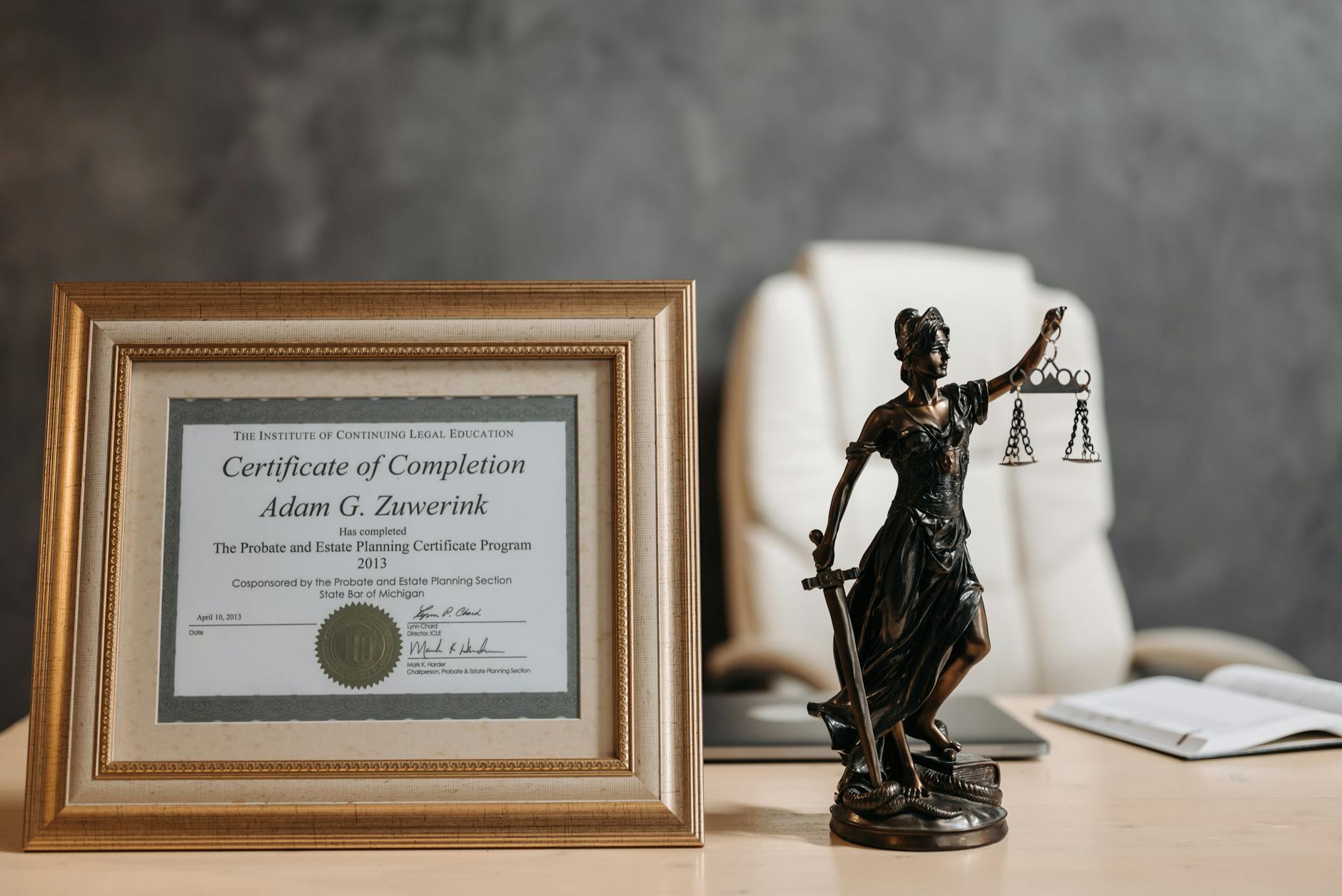
Estate planning isn’t just for wealthy families. Every family can benefit from having a plan. It covers more than a will. It shows how your assets are handled, who will care for your kids, and how medical decisions get made if you can’t speak for yourself.
Without a plan, your family might face confusion, delays, and legal fights after you pass or become unable to decide. This can hurt them emotionally and cost money when they’re already stressed. Making a plan helps protect your loved ones from these problems.
Starting estate planning is easier than most think. You don’t need a fortune or a complex family. A simple plan can cover your home, savings, and belongings. It also sets clear instructions to avoid common problems.
If you want to avoid mistakes, read our article on Common Estate Planning Mistakes and How to Avoid Them for helpful tips.
At its core, an estate plan is a set of legal documents that direct what happens to your property and who makes decisions if you’re unable to. This usually includes a will, a power of attorney, and a healthcare directive. Some families also use trusts to manage assets more carefully.
A will names…
Read more →

Personal injury accidents happen suddenly and can leave you feeling shaken and unsure about what to do next. The choices you make right after the accident matter a lot. They affect your health, your legal rights, and your chances of getting fair compensation for your injuries.
This guide shows the key steps to take right after a personal injury accident to protect yourself physically and legally.
Your health and safety come first after an accident. Even if you feel okay, some injuries like concussions or internal bleeding may not show symptoms right away. A concussion might cause dizziness or confusion hours later, and internal bleeding can be very dangerous if untreated.
Take slow, deep breaths to stay calm. Check yourself for pain, dizziness, numbness, or weakness. Move to a safe spot if you can, away from traffic, fire, or unstable areas. But if you think you have a spinal injury or serious trauma, don’t move until help arrives.
If someone is badly hurt, with heavy bleeding, trouble breathing, or unconsciousness, call 911 right away. Emergency responders can give care and take you to a hospital safely. Don’t move injured people unless there’s an immediate danger like fire or explosion.
Seeing…
Read more →

Facing overwhelming debt is stressful. Bankruptcy might seem like the only way out.
Bankruptcy is a legal process with many steps and consequences. Before you file, you need to understand what it means, how it works, and what choices you have. Knowing this helps you make better decisions and avoid problems that could make things worse.
This guide explains the bankruptcy process in simple terms. If you are thinking about bankruptcy or want to learn the basics, this article covers the types of bankruptcy, the steps involved, costs, common mistakes, and what happens after filing.
Bankruptcy is a legal tool that helps people or businesses deal with debts they can’t pay. Instead of ignoring bills or defaulting on loans, bankruptcy gives you a structured way to handle your debts under court supervision. Through bankruptcy, you can either eliminate certain debts or create a plan to repay them over time.
There are different types of bankruptcy, but all aim to give debtors a fresh start or a way to pay off creditors gradually. The process affects your credit, your assets, and your financial future. Knowing how it works helps you avoid surprises and make smart decisions about whether bankruptcy is right…
Read more →
Estate planning is a task many put off. But mistakes here can cause confusion, fights, and legal costs that shrink your estate. Learning common mistakes and how to avoid them helps your family avoid stress and extra costs during a hard time.
Estate planning is more than just writing a will. It includes legal papers like trusts, powers of attorney, and beneficiary forms. These make sure your property, money, and health decisions are handled the way you want while you live and after you die.
Skipping estate planning is the biggest mistake. Without a will or trust, the state decides who gets your property. This process, called probate, can take months or over a year. It can also cost 3% to 7% of your estate in fees.
Without a plan, your family might fight over your property. People you didn’t choose could inherit instead. For example, if you have kids from an earlier marriage but no will, your current spouse might get everything, leaving your children out until courts sort it out.
Even a simple plan helps avoid these problems. If you don’t know where to start, read Why Every Family Should Have an Estate Plan . A basic will…
Read more →

After a personal injury accident, you might wonder if you need a lawyer. Not every injury calls for legal help. But some cases do need advice from a lawyer. Knowing when to hire one can save you stress, time, and money. It also helps protect your rights and makes sure you get the money you deserve.
Many think hiring a lawyer means a long, costly process. That’s not always true. Sometimes a lawyer can speed things up, help you avoid costly mistakes, and improve your chances of a fair settlement. The trick is knowing when to bring one in so you get help without extra delays or costs.
Personal injury lawyers handle cases where someone’s carelessness or actions cause harm. They deal with claims like car accidents, slip and falls, medical mistakes, dog bites, work injuries, and faulty products. They gather and review evidence, negotiate with insurance companies, and go to court if needed.
These lawyers know how insurance companies try to pay less. Adjusters often try to downplay injuries or blame you to pay less. Without a lawyer, you might accept less than you should, especially if you don’t know how damages work.
Calculating damages means more than medical…
Read more →

Bankruptcy can feel overwhelming, especially when you hear about different types like Chapter 7 and Chapter 13. Both offer ways to deal with debt, but they work very differently. Knowing how each option affects your finances and life can help you pick the right path.
This guide breaks down the core differences between Chapter 7 and Chapter 13 bankruptcy. We’ll cover how they work, who qualifies, what you keep, and what you give up.
Chapter 7 bankruptcy, also known as liquidation bankruptcy, wipes out most unsecured debts like credit cards and medical bills. It’s designed for people who don’t have enough income to pay back their debts. When you file, a court-appointed trustee looks at your assets to see if anything can be sold to pay creditors.
Many people can keep essential items like clothing, a car (within limits), and tools needed for work. However, luxury items or expensive property might be sold off. For example, if you own a second vehicle or a valuable collection, these may be liquidated. The exact exemptions vary by state, but commonly you can protect equity in your primary residence up to a certain amount, usually tens of thousands of dollars. After the liquidation,…
Read more →

Most people don’t like to think about death or what happens after they’re gone. However, planning ahead with tools like wills and trusts is one of the most important things you can do for your loved ones. Without a clear plan, your family might face confusion, delays, and significant legal costs that could have been avoided with proper preparation.
Estate planning lets you decide who gets what, who manages your assets, and how to protect your family’s financial well-being. It also helps reduce conflict among heirs, which can sometimes escalate into costly and emotional legal battles. Beyond minimizing disputes, a well-crafted estate plan provides peace of mind knowing your wishes will be honored exactly as you intend.
In the absence of a plan, state laws dictate how your property is distributed, often resulting in outcomes that may not align with your desires. For example, intestate succession laws typically prioritize spouses and blood relatives, which can unintentionally disinherit close friends or unmarried partners.
If you’re new to estate planning, start by reading why every family should have an estate plan at /posts/every-family-should-have-estate-plan.html . It outlines basic steps to protect your family and assets effectively, including how to begin inventorying your assets…
Read more →

When you get hurt because of someone else, figuring out how much your claim is worth can be confusing. It’s not just about visible damage. The value depends on many things like medical bills, lost pay, and pain and suffering.
Knowing how these parts fit together helps you make smarter choices about settlement offers or lawsuits.
Most personal injury cases settle before trial. But if you don’t understand how claims are valued, you might accept less than you deserve or hold out too long. This guide explains the key things that affect claim value and what to watch for.
Damages in personal injury claims fall into two main groups: economic and non-economic. Economic damages cover financial losses you can measure. These include medical bills, rehab costs, lost wages, and sometimes property damage. For example, if your car was damaged in an accident, repair or replacement costs count as economic damages.
Non-economic damages cover less clear harms like pain, suffering, emotional distress, and loss of enjoyment of life. These are harder to calculate but often make up a big part of your claim’s value. Some states allow punitive damages to punish reckless behavior, but these are less common and usually only…
Read more →
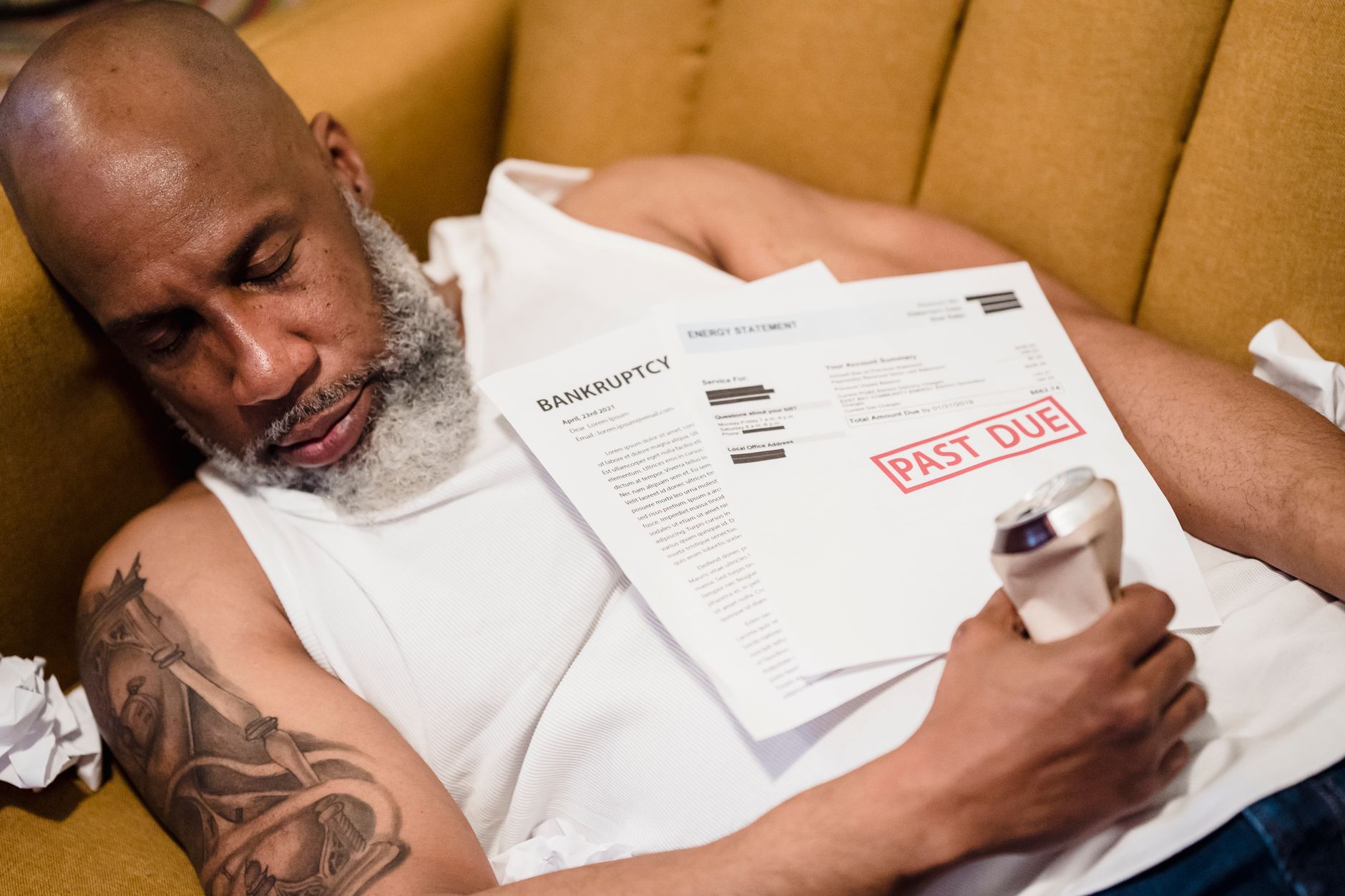
Bankruptcy is a legal way to handle debts you can’t pay. Filing lets the court stop collection efforts. This can give you relief from wage garnishments, bank levies, and foreclosure. It’s not a quick fix, but it can stop creditor harassment and give you breathing room.
There are different types of bankruptcy. The most common for individuals are Chapter 7 and Chapter 13. Chapter 7 means selling assets to pay creditors. Chapter 13 sets up a payment plan to pay back debts over time. Chapter 7 usually finishes in three to six months. It’s for those with low income and few assets. Chapter 13 plans last three to five years and let you keep your property while paying in installments.
Bankruptcy affects your credit score and stays on your report for seven to ten years. The score drop can be 100 points or more at first. But many people rebuild their finances after a few years. They often qualify for new credit, buy homes, or save for retirement once debts are cleared and habits improve.
Bankruptcy isn’t right for everyone. It’s usually an option when debts are too big to handle and other fixes like debt consolidation don’t work. If…
Read more →
Hiring an estate planning attorney is one of the most important decisions you’ll make to protect your assets and secure your family’s future. It’s not just about drafting a will or trust. You need someone who understands your unique needs and can guide you through complex legal decisions.
Asking the right questions before you hire an attorney will save you time, money, and stress in the long run.
Estate planning isn’t one-size-fits-all. Your attorney should offer advice that fits your goals, whether you want to protect minor children, reduce taxes, or plan for incapacity. The right questions help you check their experience, approach, and fees so you avoid surprises. Here’s what to ask before hiring an estate planning attorney.
Ask about the attorney’s background in estate planning. Some lawyers handle many legal issues but don’t focus on estate matters. You want someone who regularly drafts wills, trusts, powers of attorney, and other estate documents. This experience helps them spot issues and offer solutions that fit your situation.
Experience also matters for understanding local laws that affect your estate plan. Laws about probate, taxes, and trusts vary by state and sometimes by county. A local attorney will know the rules and…
Read more →