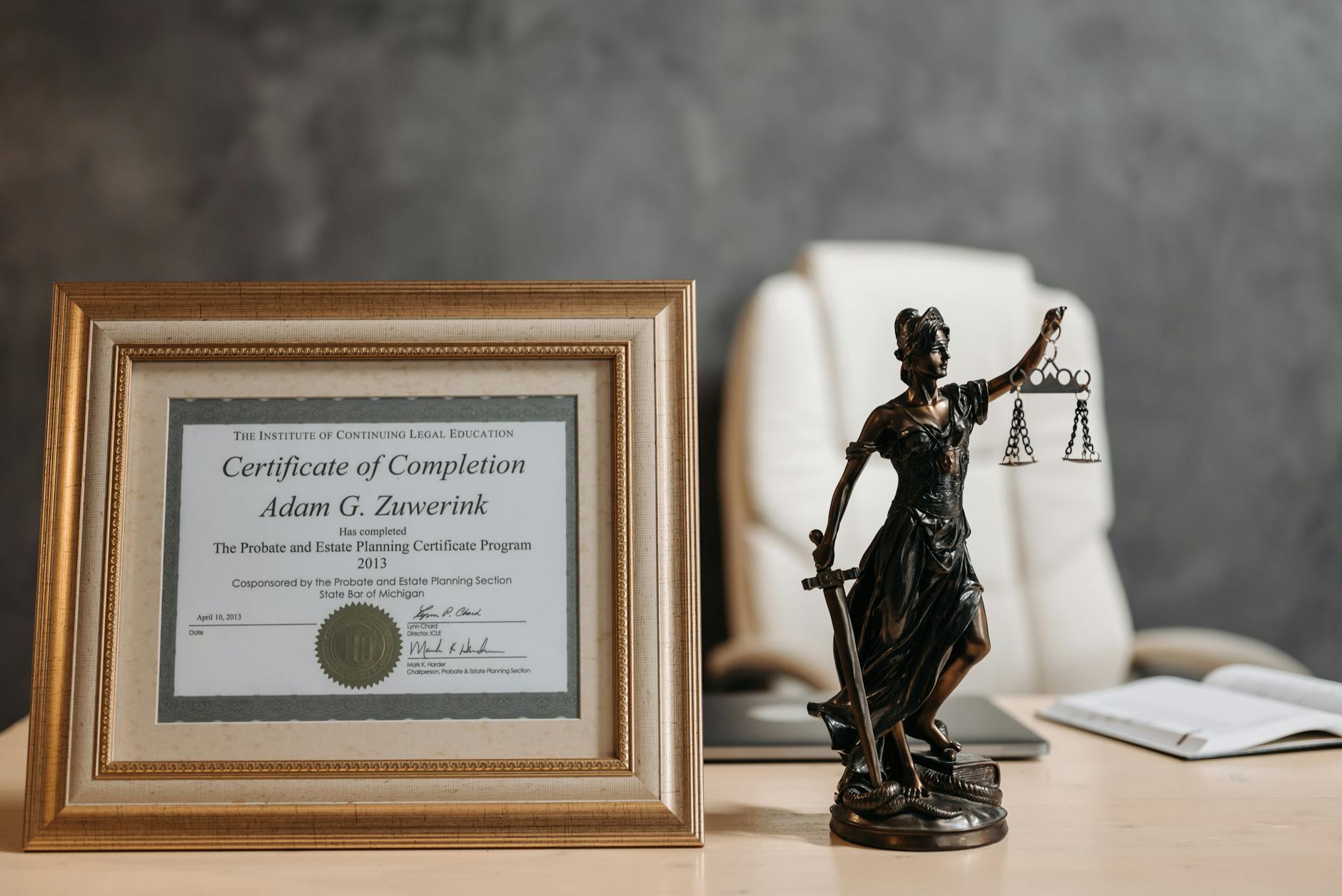
Hiring an estate planning attorney is one of the most important decisions you’ll make to protect your assets and secure your family’s future. It’s not just about drafting a will or trust. You need someone who understands your unique needs and can guide you through complex legal decisions.
Asking the right questions before you hire an attorney will save you time, money, and stress in the long run.
Estate planning isn’t one-size-fits-all. Your attorney should offer advice that fits your goals, whether you want to protect minor children, reduce taxes, or plan for incapacity. The right questions help you check their experience, approach, and fees so you avoid surprises. Here’s what to ask before hiring an estate planning attorney.
What Experience Do You Have With Estate Planning?
Ask about the attorney’s background in estate planning. Some lawyers handle many legal issues but don’t focus on estate matters. You want someone who regularly drafts wills, trusts, powers of attorney, and other estate documents. This experience helps them spot issues and offer solutions that fit your situation.
Experience also matters for understanding local laws that affect your estate plan. Laws about probate, taxes, and trusts vary by state and sometimes by county. A local attorney will know the rules and how courts in your area handle estate issues. It’s fine to ask how many estate plans they have prepared recently or if they have handled estates like yours.
Some attorneys focus on areas like business succession or elder law. If your estate involves a family business or special needs beneficiaries, mention this early. You want an attorney who can handle those details or refer you to a specialist.
If you own a family business, an attorney with business succession experience can help create a plan to transfer ownership smoothly while lowering tax costs. This might include setting up a buy-sell agreement or a trust to hold business interests. If you have elderly parents or dependents with special needs, an attorney familiar with elder law can help you create plans that provide for their care without affecting government benefits.
How Do You Charge for Estate Planning Services?
Understanding an attorney’s fee structure is important. Some charge a flat fee for a basic will or trust package. Others bill by the hour. Flat fees give you cost certainty, but make sure you know what services are included. Hourly billing can be flexible but may lead to surprise bills if your plan needs extra work.
Flat fees for a simple will can range from $500 to $1,500. More involved estate plans with trusts and powers of attorney may cost $2,000 to $5,000 or more. Hourly rates usually fall between $150 and $400 per hour, depending on the attorney’s experience and location. A complicated estate plan with several meetings and revisions can add up quickly with hourly billing.
Ask if the fee covers all meetings, drafting, and revisions or if extra charges apply for updates or complex issues. People often update estate plans after big life events like marriage, divorce, the birth of a child, or acquiring assets. Clarify costs for future changes. Knowing how the attorney charges will help you budget and avoid surprises.
Don’t hesitate to ask about payment plans if upfront costs worry you. Some attorneys offer free initial consultations to discuss fees before you commit. Some may give discounted rates for seniors or offer packages that include annual reviews and updates at a lower cost.
What Documents Will I Need to Provide?
Estate planning requires detailed information about your assets, debts, family, and wishes. Ask what documents and information you should bring to your first meeting. This could include deeds, bank statements, insurance policies, retirement account info, and a list of beneficiaries.
Being prepared speeds up the process and helps the attorney give you accurate advice. If you have a complex estate, such as multiple properties or business interests, mention these upfront. Your attorney may need additional documentation or time to review these details.
Commonly required documents include:
- Recent statements for all bank and investment accounts
- Titles or deeds for real estate and other valuable property
- Insurance policies, including life, health, and long-term care
- Retirement account statements (401(k), IRA, pensions)
- Existing estate planning documents, if any (prior wills, trusts, powers of attorney)
- Information on debts such as mortgages, loans, and credit cards
- Details about any business interests or partnerships
Knowing what’s expected also helps you avoid delays. Some people underestimate the paperwork involved, which can stall finalizing a plan. Your attorney should guide you through each step to keep things moving efficiently. For example, if you fail to provide clear beneficiary designations on retirement accounts, your estate plan might not distribute those assets as you intend.
How Will You Help Me Avoid Common Estate Planning Mistakes?
Estate plans often fail because of missed details or poor drafting. Asking this lets the attorney explain how they protect clients from common problems. These include naming the wrong executor, not updating beneficiary designations, or not planning for incapacity.
Experienced attorneys will explain how they customize plans to avoid these mistakes. They may also provide checklists or resources to help you stay on track. For example, a common error is not matching beneficiary designations on retirement accounts and life insurance with the will, which can lead to unintended asset distribution.
If you want to learn more about common issues, check out our article on Common Estate Planning Mistakes and How to Avoid Them.
Make sure the attorney discusses how they handle changes in your life or the law. A good plan changes as circumstances do. Tax laws may shift, or your family situation may change with births, deaths, or divorces. The attorney should have a clear process for regular reviews and updates to keep your plan current and effective.
How Do You Coordinate With Other Professionals?
Estate planning often involves more than your attorney. Financial advisors, accountants, and insurance agents all help protect your wealth and reduce taxes. Ask how the attorney works with other professionals to create a clear plan.
If you have a financial advisor or accountant, see if the attorney is comfortable working with them. Good communication keeps your team on the same page and avoids conflicting strategies or missed chances. For example, your financial advisor can find tax-smart ways to transfer assets, while your attorney drafts the legal documents to make it happen.
If you don’t have these professionals, ask if the attorney can recommend contacts. Many estate planning attorneys know specialists who understand estate issues, from tax experts to elder care consultants.
This teamwork is especially important if your estate includes business interests or complex tax matters. An attorney who works well with others can save you headaches and improve your plan’s results. For example, in a family business succession plan, cooperation between your attorney, CPA, and financial planner helps ensure smooth transitions without tax surprises.
What Happens After My Estate Plan Is Completed?
Creating your documents is just the start. Ask what happens next, how your attorney supports you after the plan is signed. Some attorneys offer storage of your original documents or help with notarization and witnessing. Others provide check-ins or reminders to review your plan periodically.
Life changes like births, deaths, marriages, and divorces mean your plan will need updates. Knowing your attorney’s policy on updates and ongoing support helps you plan long-term. If you don’t have a plan for staying current, your estate plan might become outdated and ineffective.
Some attorneys provide annual or biennial reviews for a small fee or as part of a service package. Others may send reminders but charge separately for updates. Understanding these details upfront helps you avoid surprises and ensures your plan continues to meet your needs.
If you’d like more guidance on why having an estate plan matters, we recommend reading Why Every Family Should Have an Estate Plan. It explains the basics and benefits in plain terms.
Additional Questions to Consider Asking
Besides the main questions, there are other topics to discuss with a potential estate planning attorney. These can give you a better idea of their approach and help you feel sure about your choice.
- How do you handle digital assets? With more online accounts, social media, and cryptocurrencies, it’s important your plan covers these properly.
- What is your approach to privacy? Some clients want to keep their estate details confidential. Ask how your attorney protects privacy and security.
- Do you offer guidance on charitable giving? If giving to charity is part of your plan, check if the attorney can help set up gifts to get tax benefits.
- How do you handle disputes or challenges to the estate plan? Knowing your attorney’s experience with contested wills or trusts can prepare you for possible conflicts.
- Can you explain the probate process in this state? Knowing what to expect can reduce worry and help you plan.
Asking these questions can show how detailed and client-focused your attorney’s services are, making sure your estate plan fits your needs.